

-
Product Overview
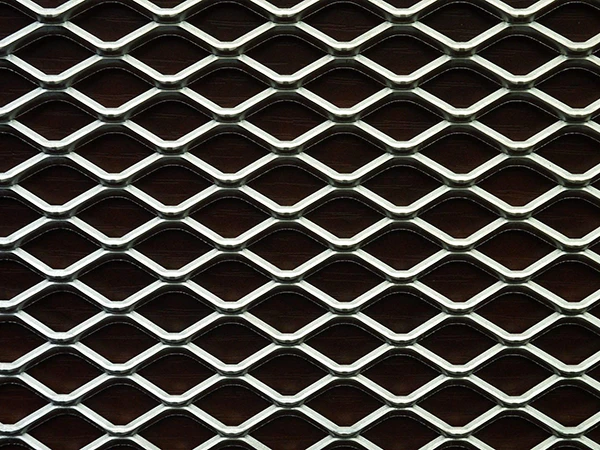
What Is Cable Decorative Mesh?Cable decorative mesh (also called architectural cable mesh, cable rod mesh, or flexible cable fabric) is a woven hybrid material that combines flexible stainless steel cables in the warp direction with stabilized rods or crimped wires in the weft direction. The result is a semi-transparent metal textile that delivers both structural rigidity in one axis and controlled flexibility in the other—ideal for tensioned facade panels, curved ceilings, and railing infills.Unlike plain woven wire mesh, cable decorative mesh creates a linear, rhythmic visual texture. Under natural or artificial light, it produces depth, shadow play, and a high-end architectural finish for hotels, malls, offices, and public infrastructure. -
Common Specifications
Key Specifications of Cable Decorative Mesh
We manufacture and export cable decorative mesh in standard and fully customized configurations. Typical parameters:
Parameter Common Range / Options
Material Stainless steel AISI 304, 304L, 316, 316L; brass, copper, phosphor bronze, aluminum alloy
Cable diameter 0.45 mm – 4.0 mm (standard 1.0 / 1.5 / 2.0 / 2.75 / 3.0 mm)
Cable construction 1×19, 7×7, 7×19 high-tensile wire rope
Rod diameter 0.5 mm – 4.0 mm
Cable pitch 3.5 mm – 80 mm+
Rod pitch 1.6 mm – 15 mm
Open area 25% – 76% depending on pattern
Panel width Up to 2.3 m – 8 m (seamless woven); roll length up to 50 m
Thickness 1.2 mm – 9.5 mm (pattern dependent)
Weight 2.1 – 11.6 kg/m²
Surface finish Mill finish, polished, PVD titanium (gold/black), copper/brass plated, antique plating, PVDF / powder coat (RAL colors)Mesh type Single-direction flexible, double rigid, ferrule diamond, knotted rope, square clamped
Custom cable pitch, rod pitch, color coating, and edge treatment (eyelet, tab, frame, U-channel) are available for project-based orders. -
Characteristic Advantages
Why Architects Specify Cable Decorative Mesh
• Transparency + safety – high open area allows light and air flow while acting as balustrade infill or fall-protection screen
- Non-flammable & low maintenance – all-metal construction, no paint peel, corrosion-resistant (especially 316L for coastal/outdoor)
- Acoustic & solar control – diffuses glare, reduces echo in lobbies and transit hubs
• Formability – flexible-axis versions bend for columns, curved walls, and suspended ceilings
- Laminatable – thin flexible cable mesh can be encapsulated in laminated glass for railings and partitions -
Application Area
Interior Applications
• Lobby background walls and feature curtains
• Ceiling clouds and suspended baffles
- Elevator cabin panels
• Restaurant / bar space dividers
• Stair and balcony balustrade infill
• Laminated glass partitions
Exterior Applications
• Building facade cladding and rain screens
• Parking garage and carport tensile screens
- Colonnade and pillar wrapping
• Sunshade fins and canopy soffits
• Rooftop terrace railings
• Retail shopfront accent screens
Commercial & Public Projects
Hotels, airports, museums, shopping malls, concert halls, stadium concourses, business offices, and luxury residential common areas are the most frequent specs for cable decorative mesh because it reads as “designed metal” rather than industrial fencing. -
Product Showcase
Why Choose Our Cable Decorative Mesh?
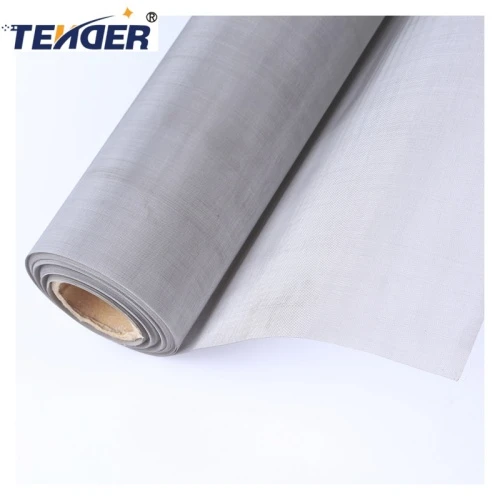
We supply cable decorative mesh in rolls or cut panels, with export packaging (waterproof paper + bubble film + plywood case / pallet). Support includes:
- CAD drawing review for panel size & tension
• Free small sample swatches (A4 / 200×200 mm)
• Finish matching to RAL or PVD color
- OEM weaving with your pattern code
• MOQ from 10–50 m² depending on specification
• Lead time 10–20 days for standard; 25–35 days for plated/full-customHow To Choose the Right Cable Mesh Pattern
1. Indoor or outdoor?→ 304/201 for interior budget jobs; 316/316L for exterior, poolside, coastal.
2. Need curvature?→ choose single-way flexible cable mesh (bends with cable axis).
3. Privacy vs. see-through?→ lower open area (25–40%) for screening; higher open area (60%+) for facade ventilation.
4. Lighting effect?→ PVD gold/black or brass-plated finishes amplify reflection in downlight ceilings.
5. Installation method?→ tensioned frame, U-edge, top/bottom rail, or glass lamination—confirm before production.


-
Contact Us
Request a Quote
If you are interested in our products, you can choose to leave your information here, and we will be in touch with you shortly.